Reflecting on Australia's Vaccine Rollout Challenges: A Dive into the Past
Reflecting on Australia's Vaccine Rollout Challenges: A Dive into the Past
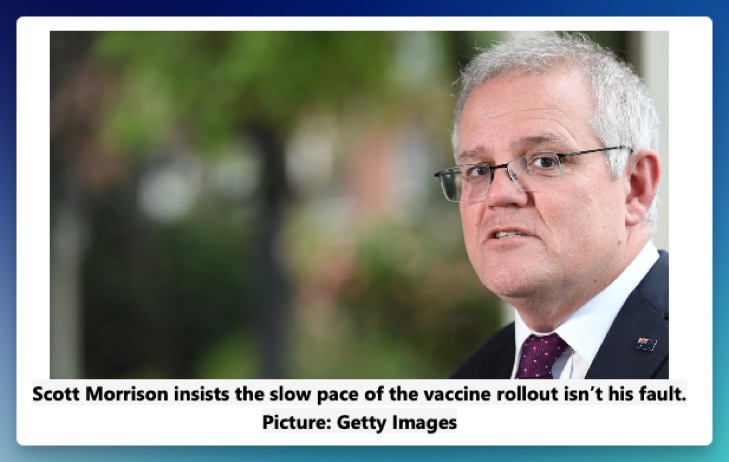
Greetings, readers! Today, I invite you to join me on a journey back to July 21, 2021, when the headlines were ablaze with critiques of Scott Morrison's handling of Australia's COVID-19 vaccine rollout. As we revisit this archive piece previously covered by Shannon Molloy for news.com.au, let's explore the nuances of the situation and consider the insights shared by experts at the time.
Molloy's article highlighted the growing backlash against Scott Morrison, with experts predicting that the vaccine rollout could be remembered as one of Australia's significant missteps. The slow and problem-plagued delivery of Covid-19 jabs was attributed to extended lockdowns affecting millions of people, making it a pressing concern in the public discourse.
Australia found itself at the bottom of the OECD countries in terms of the percentage of the adult population vaccinated, trailing even behind some developing nations. Experts, including academics Carolyn Holbrook, James Walton, and Paul Strangio, pointed out a series of flaws that had derailed the vaccination efforts. These ranged from an over-reliance on AstraZeneca to a failure to secure enough doses and a lack of vaccine awareness initiatives.
Holbrook, Walton, and Strangio, in an article for The Conversation, voiced concerns about the federal Coalition government's vaccination program. They highlighted the complications with the AstraZeneca vaccine rollout, exposing the shortage of Pfizer vaccine supply. The passive stance of Prime Minister Scott Morrison and Health Minister Greg Hunt, in contrast to other international leaders who personally lobbied Pfizer executives for supplies, was noted as a point of contention.
Moreover, Morrison's repeated declaration that the vaccination rollout "isn't a race" became a source of criticism. The experts emphasized the sluggish pace, particularly among vulnerable populations like aged and disability care residents and frontline health workers.
In response to the criticisms, Morrison rejected claims that the lockdowns were a result of the slow vaccine rollout, asserting that no plan anticipated a 65-70% vaccination rate at that time.
Continuing our exploration of Australia's vaccine rollout challenges, it's crucial to address the evolving dynamics as we venture further into the past. Prime Minister Scott Morrison's assertion that "Australia was always going to be in the suppression phase this year" adds an additional layer to the narrative. While the government grappled with the complexities of the pandemic, the urgency to vaccinate the population remained a focal point.
Morrison emphasized that vaccination against Covid-19 was the key to restoring normalcy, acknowledging the struggles faced by the nation in achieving this goal. Initial targets set by the government, including having every adult fully vaccinated by the end of October, were unmet. Even revised goals fell short, underscoring the challenges in the vaccination campaign.
The absence of an effective public education campaign about the vaccine further complicated matters, creating a vacuum that anti-vaxxers and the vaccine-hesitant filled. This void in information dissemination became a breeding ground for misinformation and skepticism.
Conservative commentator and broadcaster Steve Price raised a pertinent question on The Project: "Where the hell is the PM?" This sentiment echoed concerns about Morrison's perceived lack of visibility amid the worsening crises in major cities. His repeated absences drew criticism from the opposition, with Labor leader Anthony Albanese branding the Sydney shutdown as the 'Morrison Lockdown.' Albanese directly attributed the outbreak of the highly infectious Delta strain to the PM's bungled vaccine rollout.
Even within Morrison's own political circles, criticism surfaced. NSW Premier Gladys Berejiklian, a fellow Liberal, suggested that a higher vaccination rate could have helped prevent lockdowns. This assertion was vehemently rejected by Morrison, reflecting the tensions and differing perspectives within the government.
As we reflect on these events, it's essential to acknowledge the multifaceted nature of the challenges faced by leaders during this period. The vaccine rollout, public communication strategies, and the political responses to crises all played significant roles in shaping the narrative. Join me in pondering how these events of the past have influenced our present understanding of leadership in times of crisis and the ongoing efforts to combat the ever-evolving landscape of the pandemic.
Sources:
https://www.news.com.au/finance/work/leaders/scott-morrisons-covid-vaccine-rollout-torn-to-pieces-by-experts/news-story/1358998290399ef61758a6f57dc17d00
Holbrook, Walton, and Strangio, in an article for The Conversation, voiced concerns about the federal Coalition government's vaccination program. They highlighted the complications with the AstraZeneca vaccine rollout, exposing the shortage of Pfizer vaccine supply. The passive stance of Prime Minister Scott Morrison and Health Minister Greg Hunt, in contrast to other international leaders who personally lobbied Pfizer executives for supplies, was noted as a point of contention.
Moreover, Morrison's repeated declaration that the vaccination rollout "isn't a race" became a source of criticism. The experts emphasized the sluggish pace, particularly among vulnerable populations like aged and disability care residents and frontline health workers.
In response to the criticisms, Morrison rejected claims that the lockdowns were a result of the slow vaccine rollout, asserting that no plan anticipated a 65-70% vaccination rate at that time.
Continuing our exploration of Australia's vaccine rollout challenges, it's crucial to address the evolving dynamics as we venture further into the past. Prime Minister Scott Morrison's assertion that "Australia was always going to be in the suppression phase this year" adds an additional layer to the narrative. While the government grappled with the complexities of the pandemic, the urgency to vaccinate the population remained a focal point.
Morrison emphasized that vaccination against Covid-19 was the key to restoring normalcy, acknowledging the struggles faced by the nation in achieving this goal. Initial targets set by the government, including having every adult fully vaccinated by the end of October, were unmet. Even revised goals fell short, underscoring the challenges in the vaccination campaign.
The absence of an effective public education campaign about the vaccine further complicated matters, creating a vacuum that anti-vaxxers and the vaccine-hesitant filled. This void in information dissemination became a breeding ground for misinformation and skepticism.
Conservative commentator and broadcaster Steve Price raised a pertinent question on The Project: "Where the hell is the PM?" This sentiment echoed concerns about Morrison's perceived lack of visibility amid the worsening crises in major cities. His repeated absences drew criticism from the opposition, with Labor leader Anthony Albanese branding the Sydney shutdown as the 'Morrison Lockdown.' Albanese directly attributed the outbreak of the highly infectious Delta strain to the PM's bungled vaccine rollout.
Even within Morrison's own political circles, criticism surfaced. NSW Premier Gladys Berejiklian, a fellow Liberal, suggested that a higher vaccination rate could have helped prevent lockdowns. This assertion was vehemently rejected by Morrison, reflecting the tensions and differing perspectives within the government.
As we reflect on these events, it's essential to acknowledge the multifaceted nature of the challenges faced by leaders during this period. The vaccine rollout, public communication strategies, and the political responses to crises all played significant roles in shaping the narrative. Join me in pondering how these events of the past have influenced our present understanding of leadership in times of crisis and the ongoing efforts to combat the ever-evolving landscape of the pandemic.
Sources:
https://www.news.com.au/finance/work/leaders/scott-morrisons-covid-vaccine-rollout-torn-to-pieces-by-experts/news-story/1358998290399ef61758a6f57dc17d00